How-to guides & explainers
The ZigmaNeural Blog
Practical guides on AI agents, RAG, governance and cloud, for the people who build and run these systems. For analysis and decision briefs, see Insights.



16 articles published
What an LLM Feature Really Costs to Run for a Year
Three worked examples with real per-token prices show what a chatbot, a document Q&A tool and a batch job cost per month and per year.
EU AI Act: What Indian AI Vendors Serving EU Clients Must Do
If your AI system or its output is used in the EU, the AI Act can apply to you. Here is what changed in 2026 and what Indian vendors should do now.
India's DPDP Act and AI Projects: A Practical Checklist
What India's DPDP Act and Rules mean for RAG, chatbots, analytics and model training, with a checklist, penalty figures and questions for your AI vendor.
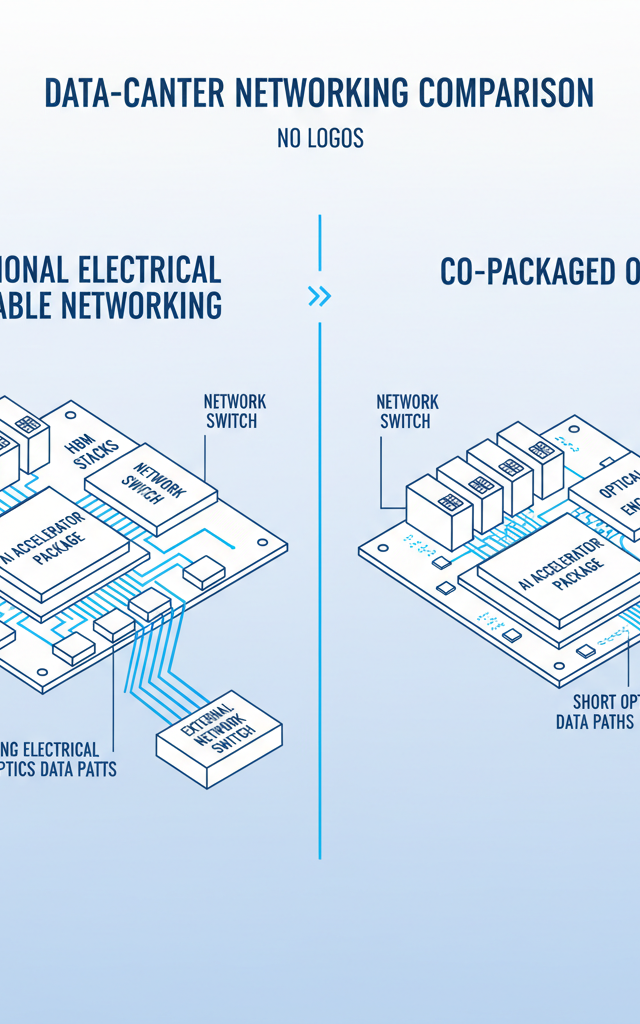 AI Infrastructure
SK hynix Highlights Co-Packaged Optics: Why AI Infrastructure Is Moving Beyond GPUs
SK hynix has set out a roadmap for co-packaged optics as a foundation technology for next-generation AI infrastructure. Here is why data movement, not raw compute, is becoming the binding constraint on AI systems.
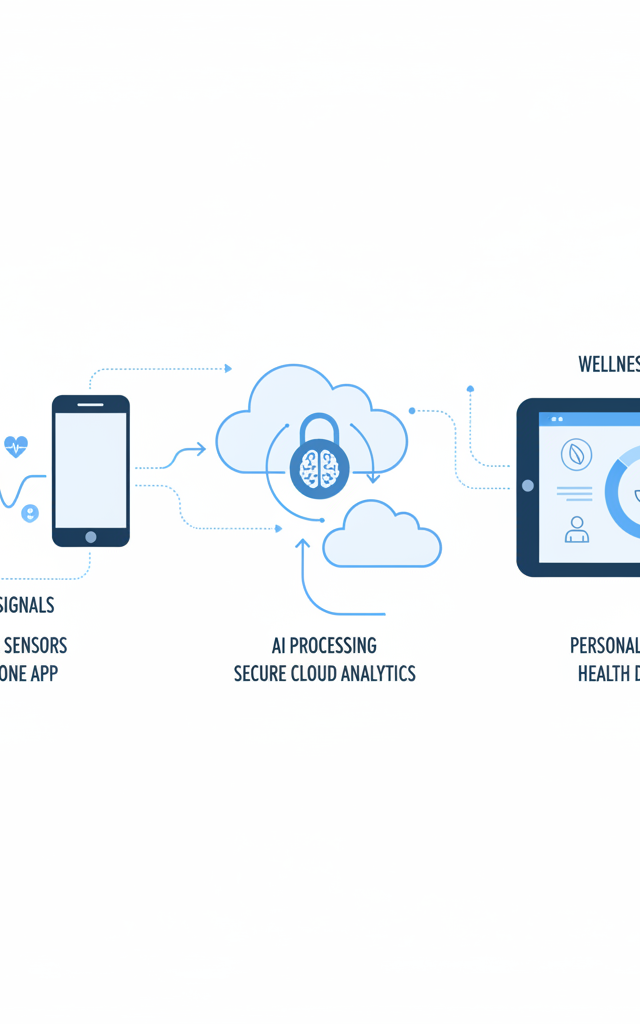 AI News
Samsung Is Bringing More AI Into Health: What Does Connected AI Care Mean?
Samsung is pushing AI deeper into Samsung Health and its connected device ecosystem. The wider lesson for enterprises is about turning continuous real-world sensor data into useful, private, trustworthy insight.
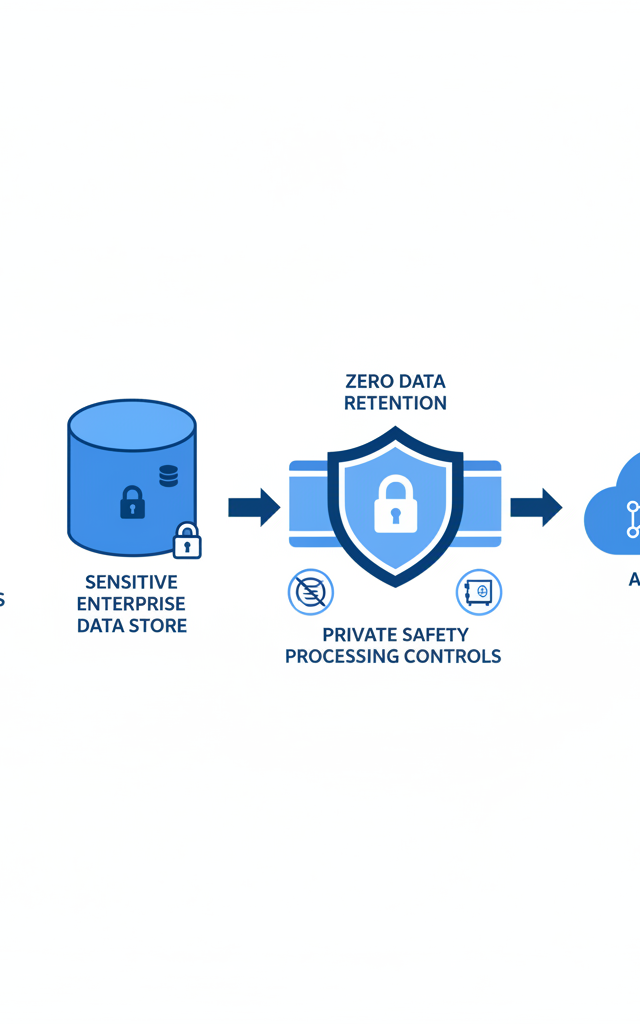 AI News
OpenAI Expands Zero Data Retention for Frontier AI Models: What It Means for Enterprise AI
OpenAI has reaffirmed Zero Data Retention for eligible API customers and previewed Private Safety Processing. Here is what that changes for enterprise AI architecture, data privacy, governance and vendor due diligence.
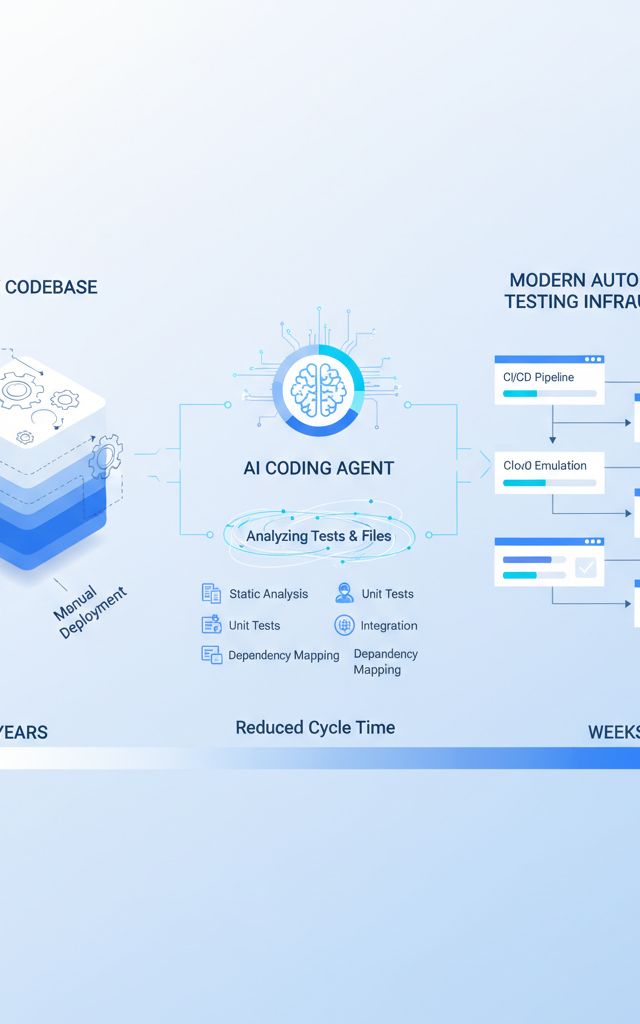 AI News
Asana Says Codex Completed Five Years of Engineering Work in Two Weeks: What Does This Mean for Software Development?
Asana reports it replaced an outdated testing system in about two weeks using OpenAI Codex, work previously estimated at five years and roughly $6M in staffing. Here is what agentic coding realistically changes for enterprise engineering teams.
 AI Infrastructure
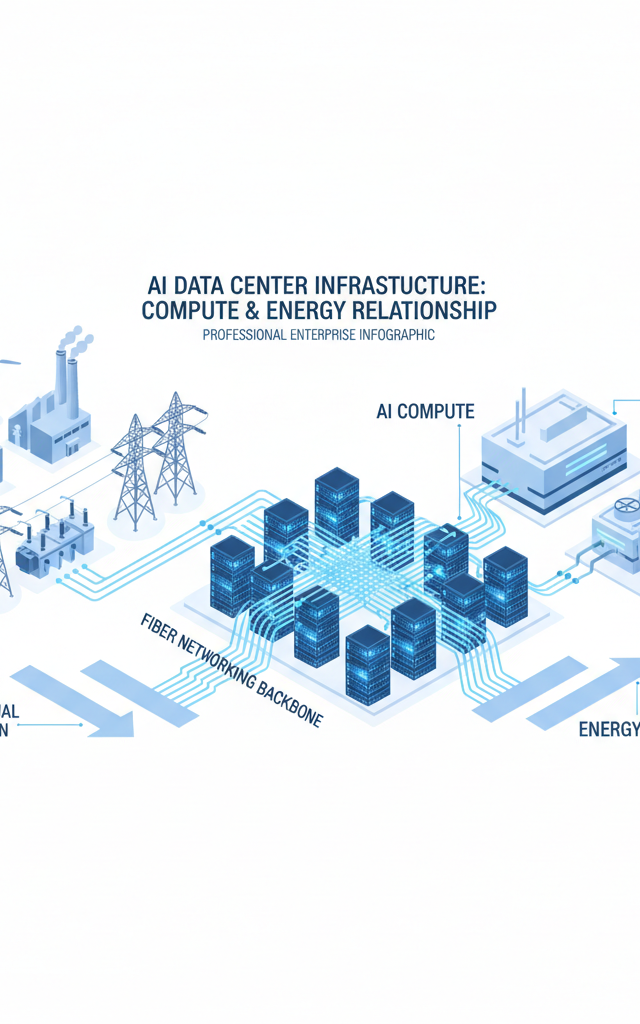
OpenAI Commits to 8 GW of AI Infrastructure in Ohio: Why AI Is Becoming an Energy and Cloud Challenge
OpenAI has announced an agreement for approximately 8 gigawatts-IT at the PORTS-Pike Technology Campus in Ohio. The lesson for enterprises is not to copy the scale, but to size their own AI workloads honestly.
 AI Governance
How Can Enterprises Secure, Govern, and Monitor AI Agents?
A practical enterprise architecture for agentic AI: per-agent identity, action-level policy enforcement, containment, continuous evaluation, and a decision trail auditors accept.
All articles
- What an LLM Feature Really Costs to Run for a Year
- EU AI Act: What Indian AI Vendors Serving EU Clients Must Do
- India's DPDP Act and AI Projects: A Practical Checklist
- SK hynix Highlights Co-Packaged Optics: Why AI Infrastructure Is Moving Beyond GPUs
- Samsung Is Bringing More AI Into Health: What Does Connected AI Care Mean?
- OpenAI Expands Zero Data Retention for Frontier AI Models: What It Means for Enterprise AI
- Asana Says Codex Completed Five Years of Engineering Work in Two Weeks: What Does This Mean for Software Development?
- OpenAI Commits to 8 GW of AI Infrastructure in Ohio: Why AI Is Becoming an Energy and Cloud Challenge
- How Can Enterprises Secure, Govern, and Monitor AI Agents?
- Why Every SaaS Business Needs an AI-First Infrastructure Strategy Introduction
- How to Build a Responsible AI Governance Framework
- RAG vs Fine-Tuning: Which Approach Is Right for Your Enterprise LLM?
- AI Readiness Assessment: What Enterprise Leaders Need to Know Before Starting
- Cloud-Native Architecture for AI Workloads: A Practical Guide
- Build vs. Buy: Enterprise AI Platform Decisions
- Evaluating AI Vendors in 2026: An Enterprise Framework